Why Quality Roll-Off Equipment Matters for Commercial Waste Operations
7 Views
Commercial waste operations depend on reliable equipment to keep materials moving efficiently from collection points to disposal, recycling, or processing facilities. Whether a business handles construction debris, industrial materials, demolition waste, or general commercial refuse, the quality of its roll-off equipment can have a direct impact on productivity, safety, operating costs, and customer satisfaction.
When containers and related equipment are designed for demanding commercial environments, businesses can handle heavy loads more consistently and reduce disruptions. For companies that regularly manage large volumes of waste, investing in dependable equipment is not simply an equipment decision—it is an important part of maintaining an efficient operation.
Supporting Consistent Waste Handling
Commercial projects rarely produce small or predictable amounts of waste. Construction sites may generate concrete, lumber, drywall, roofing materials, and other debris, while manufacturing and industrial facilities can produce bulky or heavy materials on a regular basis.
Read More : How McNeilus Trucks Support Sustainable Waste Management
Quality roll-off equipment provides the capacity and durability needed to handle these changing waste streams. Properly designed containers can accommodate substantial loads while supporting efficient loading and transportation. This helps businesses avoid constantly moving smaller containers or making unnecessary collection trips.
Reliable equipment also gives operators greater confidence that containers can withstand regular use. This consistency becomes especially important for businesses serving multiple commercial customers with different waste requirements.
Reducing Operational Interruptions
Downtime can be expensive for a commercial waste operation. When equipment requires unexpected repairs or becomes difficult to use, collection schedules may be disrupted and employees may have to spend additional time addressing equipment problems.
Quality equipment is built with demanding working conditions in mind. Strong construction, dependable components, and appropriate design can help reduce the frequency of operational interruptions. While no equipment is completely maintenance-free, choosing well-built roll-off systems can make it easier to maintain predictable operations.
For waste companies, dependable equipment can also contribute to better customer service. When containers are delivered, exchanged, and transported according to schedule, customers can maintain cleaner and more organized worksites.
Improving Fleet Productivity
A commercial waste fleet needs to work as a coordinated system. Containers, trucks, lifting mechanisms, and other equipment must be compatible and practical for the types of jobs being served.
Using equipment that fits the capabilities of a fleet can improve loading and transportation efficiency. Operators can spend less time dealing with compatibility issues and more time completing scheduled work. Standardizing equipment where practical may also simplify employee training and routine maintenance.
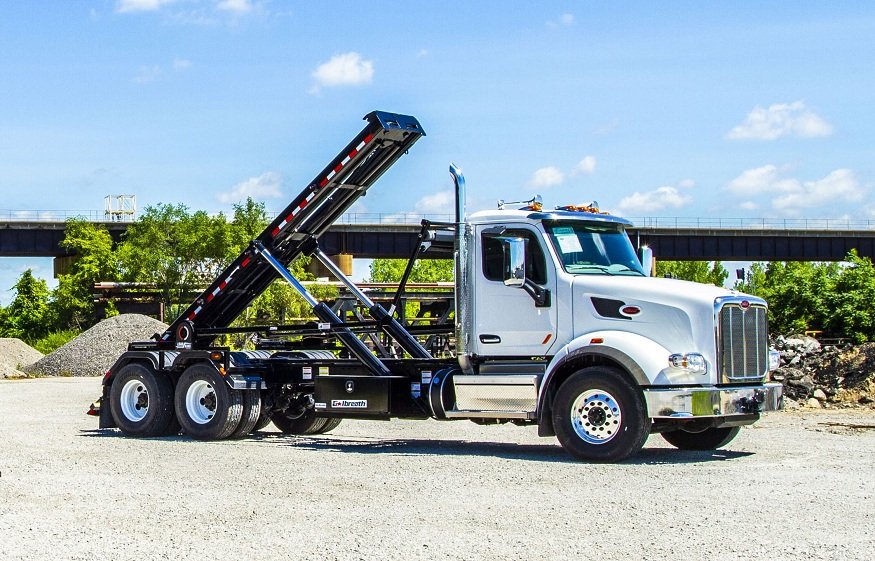
Companies evaluating options such as a galbreath roll off system should consider how the equipment will fit into their existing fleet and daily workflow. The goal is not simply to acquire another container or system, but to select equipment that contributes to the overall productivity of the operation.
Enhancing Jobsite Organization
Waste management plays an important role in maintaining organized commercial jobsites. When debris is allowed to accumulate around work areas, it can interfere with movement, create additional safety concerns, and make projects harder to manage.
Roll-off containers provide designated areas for collecting large quantities of material. Workers can place debris directly into the appropriate container rather than allowing waste to spread throughout the site.
This approach can be particularly valuable in construction and demolition environments. A properly positioned container can help create a more structured workflow while making it easier for workers and site managers to identify where waste should go.
Supporting Safer Operations
Safety should always be a priority when handling commercial waste. Heavy materials, sharp objects, bulky debris, and uneven loads can create hazards for employees if waste is not managed properly.
Durable roll-off equipment can support safer handling by providing a strong and suitable collection point for waste. However, equipment quality should always be combined with proper loading procedures. Operators should avoid exceeding weight limits, distributing loads unevenly, or placing unsuitable materials into containers.
Routine inspections are also important. Checking containers for structural damage, worn components, or other issues can help identify potential problems before they interfere with operations.
Managing Long-Term Equipment Costs
The initial purchase price of waste equipment is only one part of its overall cost. Commercial operators should also consider maintenance, repairs, downtime, transportation efficiency, and expected service life.
Lower-cost equipment may appear attractive initially, but frequent repairs or premature replacement can increase expenses over time. Quality equipment can provide stronger long-term value when it performs reliably and withstands repeated commercial use.
Businesses such as Atlantic Heavy Duty can be valuable resources for companies evaluating heavy-duty waste equipment because selecting the right equipment involves more than comparing prices. Factors such as application, durability, compatibility, and ongoing support can all affect the true cost of ownership.
Adapting to Different Waste Streams
Commercial waste operations often serve customers with different requirements. One customer may need equipment for construction debris, while another may require containers for industrial materials or large-scale cleanouts.
Having access to appropriate roll-off equipment can make it easier for a waste company to respond to these different applications. Container size, construction, weight capacity, and configuration should all be considered when determining which equipment is appropriate for a particular project.
This flexibility can also help businesses expand their customer base. When a waste company has equipment capable of supporting a wider range of commercial projects, it may be better positioned to accept specialized jobs.
Making Maintenance More Manageable
Even high-quality equipment requires regular maintenance. Preventive maintenance can help commercial operators identify small issues before they become expensive failures.
Maintenance programs may include inspecting structural components, checking moving parts, cleaning equipment, lubricating components where required, and addressing damage promptly. Keeping accurate maintenance records can also help fleet managers identify recurring problems and plan future equipment needs.
Well-maintained roll-off equipment can deliver more predictable performance and help extend the useful life of a company’s investment.
Choosing Equipment With Business Growth in Mind
Equipment decisions should reflect both current and future business requirements. A waste company that is expanding its customer base may eventually need additional container sizes, greater fleet capacity, or equipment capable of supporting heavier applications.
Selecting durable equipment from the beginning can make fleet expansion more manageable. Companies can evaluate their typical waste volumes, customer industries, transportation distances, loading practices, and projected growth before making purchasing decisions.
This forward-looking approach can prevent businesses from repeatedly replacing equipment simply because their operational requirements have changed.
Building a More Reliable Commercial Waste Operation
Quality roll-off equipment affects far more than the collection process. It can influence fleet productivity, employee safety, jobsite organization, maintenance requirements, transportation efficiency, and long-term operating costs.
For commercial waste companies, the right equipment should be viewed as an operational asset rather than a basic container. Systems that are durable, compatible, appropriately sized, and suited to demanding applications can help businesses maintain reliable service while handling increasingly complex waste requirements.
Read More : Finding the Right Used Car Dealer: A Buyer’s Guide
By carefully evaluating equipment quality and working with experienced suppliers such as Atlantic Heavy Duty, commercial operators can make more informed decisions about their fleets. Whether managing construction debris, industrial waste, or high-volume commercial materials, investing in dependable roll-off equipment can provide the reliability needed to keep daily operations moving efficiently.