Choosing the Right McNeilus Refuse Trucks for Waste Collection Needs
13 Views
Selecting the right refuse truck is an important decision for businesses involved in residential, commercial, and municipal waste collection. Every collection operation has different requirements based on waste volume, container types, road conditions, service schedules, and available employees. A vehicle that works well for one company may not be suitable for another. McNeilus refuse trucks offer different configurations that businesses can evaluate when planning their equipment purchases.
Understand Your Collection Requirements
The first step in choosing a refuse truck is identifying the type of waste collection service the business provides. Residential collection usually involves frequent stops, household containers, and neighborhood roads.
Commercial waste collection may require vehicles capable of handling larger containers and heavier loads. Municipal services can involve a combination of residential, commercial, and public waste collection responsibilities.
Read More : How McNeilus Trucks Support Sustainable Waste Management
Companies should review their current service contracts and expected collection volumes before comparing vehicles. This information helps determine the most appropriate truck configuration.
Compare Different Loading Configurations
Refuse trucks are available with different loading arrangements designed for specific collection methods.
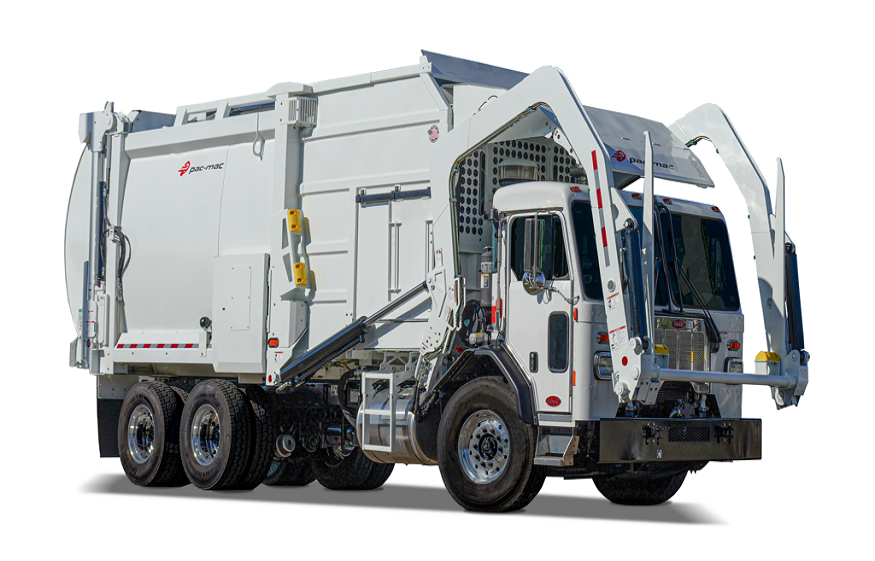
Front loaders are commonly used for commercial collection because they can lift compatible containers from the front of the vehicle. Rear loaders support a range of residential and commercial collection applications. Side loaders can provide mechanized collection for compatible curbside containers.
A McNeilus front loader may be worth evaluating for businesses that regularly collect waste from commercial dumpsters. Buyers should examine container compatibility, loading requirements, and access conditions before selecting a model.
Choosing the right loading configuration can help companies organize their routes and reduce unnecessary handling.
Evaluate Vehicle Capacity
Vehicle capacity is an important factor when selecting refuse collection equipment. Companies need trucks that can handle their expected waste volumes without exceeding applicable weight restrictions.
Buyers should compare body capacity, payload ratings, axle configurations, and chassis specifications. They should also consider the density and type of waste collected.
A truck with insufficient capacity may require additional trips to disposal facilities, while an unnecessarily large vehicle can increase purchase and operating expenses.
Fleet managers should evaluate actual collection records to estimate the capacity required for each route.
Consider Road Conditions and Access
Collection vehicles operate in different environments, including narrow residential streets, busy commercial districts, and industrial facilities.
Road width, turning space, overhead restrictions, parking arrangements, and container placement can influence vehicle selection.
A McNeilus front loader may be suitable for commercial locations with sufficient space for front-loading operations. Businesses serving narrow residential neighborhoods may need to evaluate alternative configurations.
Before purchasing equipment, managers should assess the actual routes where the truck will operate. This helps avoid selecting a vehicle that cannot access important collection locations.
Review Chassis and Powertrain Specifications
The chassis and powertrain influence how a refuse truck performs under demanding operating conditions. Buyers should review engine specifications, transmission options, axle ratings, braking systems, and suspension requirements.
The vehicle’s chassis must be compatible with the collection body and expected payload. Companies should also consider frequent stops, heavy loads, and the distance between collection areas and disposal facilities.
Reviewing the complete vehicle specification is more useful than comparing only the engine or body capacity.
Consider Fuel and Energy Requirements
Fuel expenses are a major consideration for waste management companies. Businesses should evaluate fuel consumption and operating requirements before purchasing new equipment.
McNeilus offers refuse truck options that buyers can compare according to their powertrain requirements. The company has also introduced the Volterra electric refuse vehicle platform for businesses interested in electric collection equipment.
Electric vehicles require suitable charging infrastructure and route planning. Companies should consider battery range, charging time, operating conditions, and payload requirements before selecting an electric truck.
The most practical option depends on the company’s budget and collection environment.
Understand Maintenance Requirements
Every refuse truck requires regular servicing to maintain dependable performance. Buyers should understand recommended inspection intervals and the maintenance needs of the selected configuration.
Important areas include hydraulic systems, brakes, tires, electrical equipment, loading mechanisms, and collection bodies.
Businesses evaluating a McNeilus front loader should pay attention to the condition and maintenance requirements of the front-loading equipment, hydraulic components, and related safety systems.
A preventive maintenance plan helps companies manage operating expenses and reduce unexpected downtime.
Investigate Dealer and Parts Support
Dealer support is another important consideration when selecting a refuse truck. Companies may need assistance with parts, diagnostics, maintenance, warranty information, and repairs.
Ten-8 Industrial is part of the McNeilus independent dealership network. It provides refuse and recycling vehicle sales, parts, maintenance, and service support in Alabama, Florida, Georgia, and Mississippi.
Businesses in these states can investigate its services when researching vehicle purchases and ongoing maintenance requirements. Buyers should confirm service coverage and product availability before making a decision.
Evaluate Safety and Operator Comfort
Drivers and collection crews work in environments where safe operation is essential. Buyers should evaluate cab visibility, seating, controls, mirrors, cameras, warning lights, and other available safety features.
A comfortable and practical cab can support operators during long collection shifts. Controls should be accessible, and drivers should receive proper training on the vehicle’s equipment.
Safety inspections should also be included in daily operating procedures.
Calculate the Total Cost of Ownership
The purchase price does not represent the full cost of operating a refuse truck. Businesses must also consider fuel, servicing, insurance, replacement components, repairs, and employee training.
Comparing total ownership costs helps buyers understand which vehicle offers the best value for their requirements.
Companies should also evaluate the expected service life and the cost of maintaining the vehicle over time. A suitable truck with manageable maintenance requirements may provide better value than an unsuitable vehicle with a lower initial price.
Plan for Future Collection Demands
Waste management requirements can change as businesses gain new customers or expand their service areas. Companies should consider whether their selected vehicle configuration will remain suitable as operations grow.
Fleet managers should evaluate potential changes in collection volume, container systems, and service schedules.
Read More : Important Features to Look for in a Galfab rolls-off trucks
A McNeilus front loader may be an appropriate choice for businesses planning to expand commercial container collection, provided the vehicle specifications and operating environment match their requirements.
Conclusion
Choosing the right McNeilus refuse trucks requires careful consideration of collection methods, loading configurations, vehicle capacity, route conditions, maintenance requirements, and total ownership costs.
Businesses should compare available models and seek accurate technical information before making a purchase. Evaluating a McNeilus front loader alongside other configurations can help buyers identify suitable equipment for commercial and municipal collection needs. With appropriate dealer support from Ten-8 Industrial within its service territory, companies can also plan vehicle servicing and parts requirements more effectively.